
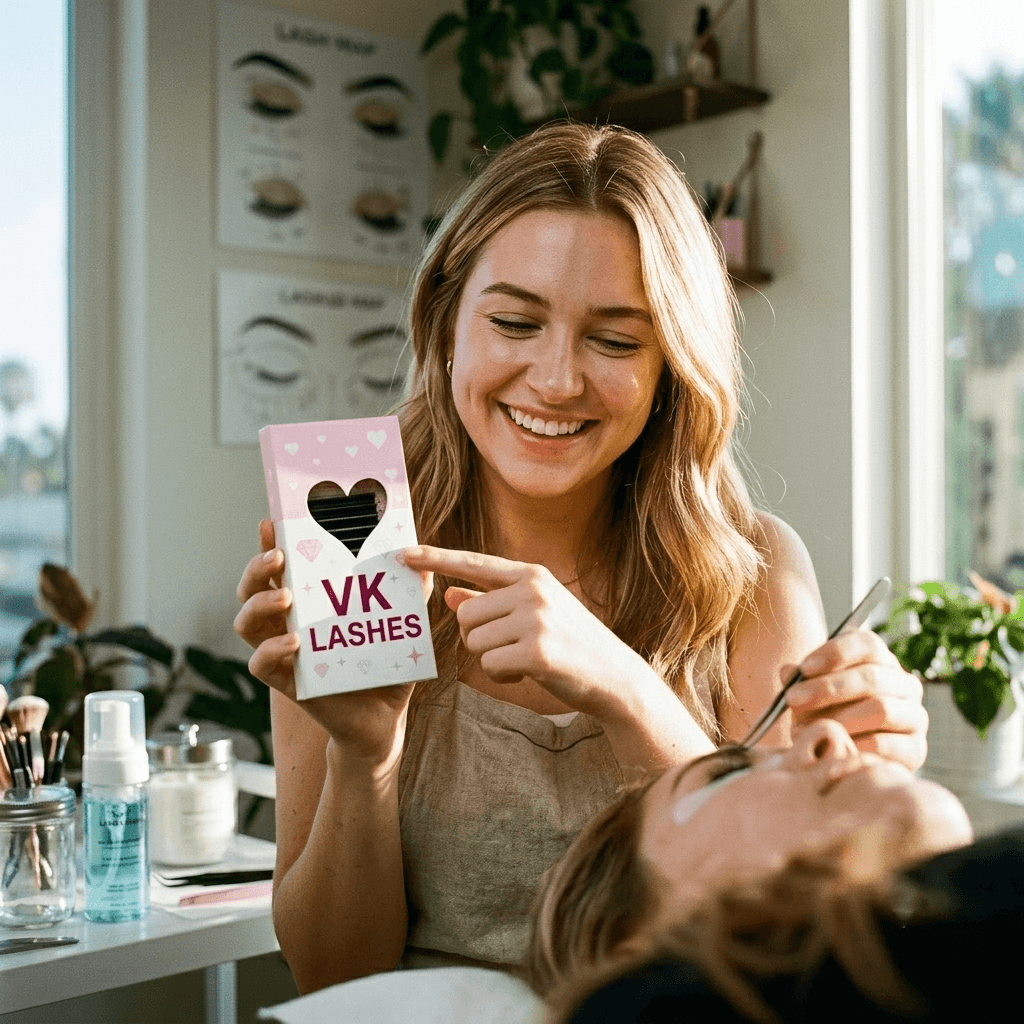
One of the most common concerns among lash artists is poor lash retention. When clients return after only a few days with significant lash loss, it can be frustrating for both the technician and the client.
The good news is that most lash retention issues can be identified and corrected. Below are the most common causes of poor retention and practical solutions to improve your results.
1. Dirty Natural Lashes
Natural lashes collect oils, makeup residue, skincare products, and environmental debris. Applying extensions to dirty lashes significantly reduces adhesive performance.
Solution:
Always cleanse the lashes thoroughly using a professional lash shampoo before every appointment.
2. Incorrect Humidity Levels
Lash adhesives are highly sensitive to humidity and temperature. When conditions are outside the recommended range, glue may cure too slowly or too quickly.
Solution:
Monitor your room with a digital hygrometer and choose an adhesive suitable for your environment.
3. Poor Lash Preparation
Skipping primer or cleanser can prevent proper bonding.
Solution:
Use a lash cleanser followed by a primer when necessary, especially for clients with oily skin.
4. Using Too Much Adhesive
Many beginner lash artists believe more glue means stronger retention. In reality, excess adhesive creates weak bonds and poor curing.
Solution:
Use only a small, controlled amount of adhesive at the base of the extension.
5. Using Too Little Adhesive
Insufficient adhesive can also result in weak attachment.
Solution:
Practice creating a smooth adhesive bead that fully wraps around the natural lash.
6. Inadequate Isolation
When lashes stick together, tension occurs during the growth cycle, causing premature shedding.
Solution:
Maintain clean isolation throughout the entire application process.
7. Oily Skin and Skincare Products
Clients with oily skin often experience reduced retention due to natural oil production.
Solution:
Recommend oil-free skincare products and daily lash cleansing.
8. Poor Aftercare
Many clients unknowingly damage their lash extensions by rubbing their eyes or sleeping face down.
Solution:
Provide a clear aftercare guide and educate clients during every appointment.
9. Adhesive Shock Curing
Excessive exposure to moisture immediately after application can cause adhesive shock curing.
Solution:
Use a professional bonder to stabilize the adhesive and improve retention.
10. Incorrect Extension Placement
Extensions placed too far from the natural lash base often twist and shed early.
Solution:
Maintain consistent placement approximately 0.5-1 mm from the eyelid.
11. Low-Quality Products
Even perfect technique cannot compensate for poor-quality adhesive or extensions.
Solution:
Choose reliable lash supplies from reputable manufacturers and regularly test new products before introducing them to clients.
Final Thoughts
Strong lash retention is the result of proper preparation, correct technique, quality products, and good client aftercare. By identifying the root cause of retention issues and making small adjustments, lash artists can significantly improve client satisfaction and retention rates.
Remember: retention is not determined by one factor alone. It is the combination of environment, products, technique, and client habits that creates long-lasting results.

